
A family of iPhone and Android apps for goals, habits, daily priorities, focus timers, a lock-screen vision board and time awareness, sold as one suite.
A free weekly account of what a team worked on, delivered by email, Slack and Notion, with a link behind every claim and no monitoring of people.
https://tomwiser.com

Showing the product's mark because a screenshot isn't available yet. Own this product? Suggest a screenshot.
Tomwiser exists for the person who has to write the weekly update and does not want to reconstruct it from memory. It connects to GitHub, Google Calendar, Sentry and Bugsnag, and on a schedule produces a plain-language account of the work: what changed, which pull request carried it, which review sent it back, which meeting settled the order. Every line links to the artifact it came from, so a claim can be checked rather than trusted.
Between digests, an Ask surface answers questions about a repository, a project, a period or your own week, again with links. The product draws one boundary very clearly: a person can be named in an answer, but a person cannot be the subject of the question. Asking what a named colleague did last week is refused, which is a deliberate anti-surveillance choice rather than a missing feature.
The delivery surfaces are email, Slack and a Notion page. Pricing is unusually simple: Tomwiser is free, with no plan, no seat and no trial, and the only limit is a per-workspace usage cap that keeps it free — when the cap is reached the product says so. Renamed repositories keep their history, and unsubscribe works on the first click.
Engineering managers and team leads who owe a weekly written update and want it assembled from the work itself.
Writing a weekly status update from real commits, pull requests and meetings; answering what changed in a project last week; giving stakeholders a Notion page that updates itself; tracking a repository through a rename; opting out of being profiled individually.
Free
Free, with no plan, no per-person charge and no trial. A per-workspace usage limit keeps it free, and the product reports when that limit is reached.
Pricing and availability last checked: Oct 24, 2026 · Source: official website
The site publishes a privacy policy and terms, states that the product does not monitor people, and enforces that position in the product by refusing questions about what a named individual did. It also states that unsubscribe works on the first click.
Linking each sentence to the commit, review or meeting it came from makes the digest verifiable, and refusing person-level questions is a credible privacy stance rather than a policy paragraph.
Integrations are limited to GitHub, Google Calendar, Sentry and Bugsnag, the weekly cadence is fixed, and the free usage cap is not quantified on the site.
A family of iPhone and Android apps for goals, habits, daily priorities, focus timers, a lock-screen vision board and time awareness, sold as one suite.

Syncs your whole X bookmark history into a searchable workspace with AI folders, an offline archive and export.
A developing Mac ecosystem where living spaces, ambient sound, focus tools, system care and tiny utilities share one world.
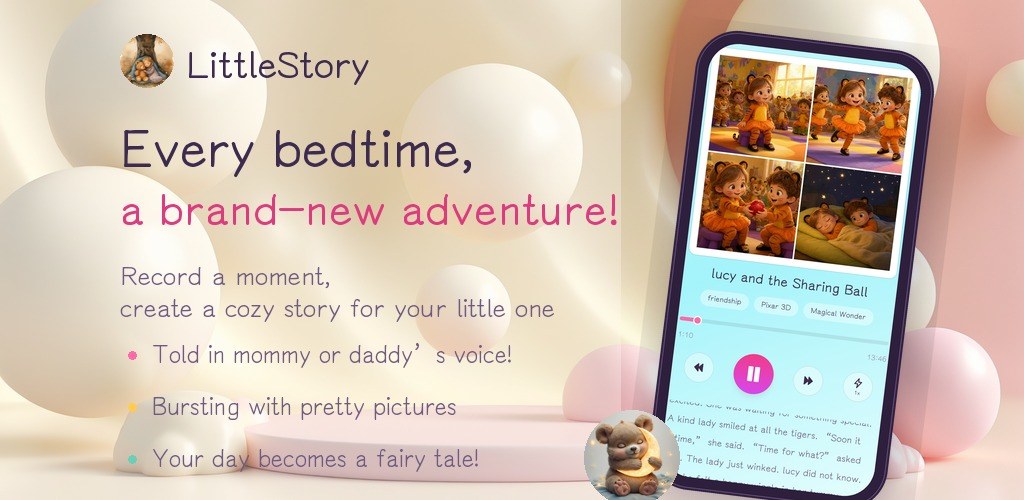
Three local-first Android apps from one developer: FocusBottle, LittleStory and PocketBill.